

If your microphone gets wet, it’s natural to want to dry it out quickly, but rushing the process can actually cause more damage. There are a few safe ways to speed up drying without harming the device, though patience matters here.
This guide covers how to dry out a wet microphone step by step, along with tips for preventing water damage in the first place.
How to Dry Out a Wet Microphone
- Turn off the power and unplug the microphone from any connected audio devices
- Remove the battery if possible
- Gently shake out as much water as you can
- Place the microphone in a warm, dry spot and let it air dry for at least 48 hours before attempting to use it again
How to Dry Out Sealed Battery Microphones
If your microphone has a sealed battery, you don’t need to remove it. Follow the same general process as above instead.
Tips for Drying Out Sealed Battery Microphones
Shake out as much water as you can, then place the mic in a warm, dry place and let it air dry for at least 48 hours before use.
Don’t turn the microphone on until it’s fully dried out. Heating up internal components while moisture is still present is likely to cause damage.
Avoid using a hairdryer or any heating device to speed up drying. These typically use fans, which can actually cause condensation to form faster rather than helping.
How to Prevent Your Microphone From Getting Wet
- Never store your equipment somewhere it could be exposed to moisture or high humidity
- Never leave equipment in a car during hot weather
- If you’re using your microphone somewhere it might get wet, use a rain cover
- Keep your equipment clean and dry as a general habit
Following these basics goes a long way toward avoiding water damage in the first place, and following the drying steps above should get your mic working again if it does happen. If you’re setting up a more permanent recording space, our guide on how to build a vocal booth covers a controlled environment that also helps protect your equipment long term.
Tips to Dry Out a Wet Microphone
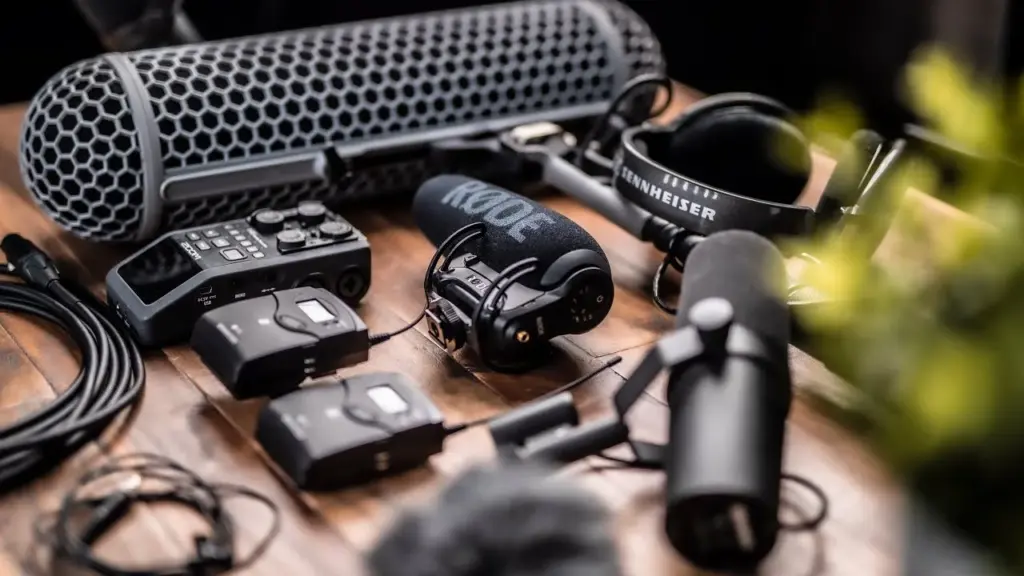
These approaches can help save a wet microphone, depending on how much moisture is involved.
1. Try Drying Your Mic Naturally
Drying your mic too quickly can cause damage, so a slow, natural approach is generally safest.
- Turn off the microphone
- Remove the battery if possible
- Gently shake out as much water as you can
- Place it in a warm, dry place and let it air dry for at least 48 hours before use
2. Use Rice
Rice absorbs moisture quickly, making it a solid, low-risk option for drying out a wet microphone.
- Place the microphone in a sealed plastic bag
- Add 1 to 2 cups of rice and shake gently to distribute it
- Let it sit for 12 hours
- Check the microphone afterward
- If moisture remains, add fresh rice and let it sit for another 12 hours
3. Use Silica Gel
Silica gel is another strong option for drying out a microphone without causing damage, since it absorbs moisture efficiently.
- Place the device and its parts in a sealed storage bag
- Add silica gel packets to the bag, optionally combined with rice for faster results
- Seal the bag and let it sit for at least 72 hours
- Remove the microphone after 3 days and check whether it’s fully dry
FAQ
How do you fix a water-damaged microphone?
If a microphone is malfunctioning after exposure to moisture, letting it dry out fully is the first step. Placing it in a porous, absorbent environment, like a container of rice, can help speed up drying and potentially restore normal function.
How do you get water out of a gaming mic?
Often, the foam inside a gaming headset mic absorbs moisture from spit or humidity. Letting it air dry for a few days, or using compressed air carefully, can help. If it still sounds distorted or “fuzzy,” it’s likely still wet and should improve once fully dried.
How do you get water out of a phone’s microphone?
Make sure the area around the SIM tray and ports is free of dust before opening anything. Avoid using cleaning products or compressed air directly on the microphone opening, since this can push moisture further in rather than out.
Conclusion
If your microphone gets wet, there are a few reliable ways to try saving it. Natural air drying is the safest first step, and rice or silica gel can help speed up the process if needed. If the microphone still isn’t working properly after trying these methods, it may be time to consider a replacement.
For more on related microphone care and troubleshooting, see our guides on how to do ASMR without a mic, how to fix high pitch noise from microphone, why does my mic sound muffled, and how to connect mic to speaker.