
Large-diaphragm condenser microphones are a popular choice for vocals, instruments, and home studio recording because they capture detailed sound with low self noise and strong noise rejection. This guide covers six well known large-diaphragm condenser microphones, what makes them different, and who each one suits best.
These recommendations are based on research into specs, brand reputation, and how each microphone performs for studio recording.
Disclosure: Some links in this article may be affiliate links. If you buy through our links, we may earn a small commission at no extra cost to you. As an Amazon Associate, we earn from qualifying purchases.
What Is a Large-Diaphragm Microphone?
A large-diaphragm microphone has a diaphragm that is about 1 inch (25.4mm) across. This is roughly double the size of a small-diaphragm microphone’s diaphragm, which is typically around half an inch.
The larger size is the main thing that sets these microphones apart, both in how they look and how they perform.
How Does a Large-Diaphragm Microphone Work?
A condenser microphone has three main parts: the diaphragm, the diaphragm case, and the backplate.
In a large-diaphragm microphone, the diaphragm is bigger and heavier than in a small-diaphragm design. Because of this added weight, the diaphragm moves slightly slower in response to sound waves.
This slower movement tends to produce a fuller, slightly bigger sounding tone compared to the original source. Large-diaphragm microphones are also known for strong noise rejection and low self noise, which is one of the main reasons they are popular for studio recording.
The larger membrane captures more energetic, detailed sound and can pick up higher signal levels, which is part of why many people find their recorded voice sounds fuller through this type of microphone.
Best Large-Diaphragm Condenser Microphones
1. Neumann U87 Ai88
Neumann is a long established brand known for premium, professional grade microphones. The U87 Ai is widely recommended by artists, singers, and recording professionals.
This microphone has a classic design and produces a natural, smooth sound with very low self noise, rated under 7dB. It includes three switchable polar patterns: omnidirectional, cardioid, and figure 8, along with switchable low cut and pad settings to help balance the frequency response. It can handle high sound pressure levels without difficulty.
Best for
- Professional studio recording
- Vocals, instrumentals, and voiceover work
- Users who want multiple polar pattern options
Key features
- Three switchable polar patterns
- Self noise under 7dB
- Switchable low cut filter and pad
- Handles high sound pressure levels
Pros
Pros
- Highly regarded across professional studios
- Natural, smooth, and detailed sound
- Very low self noise
- Versatile across recording types
Cons
- Premium price point
Who should buy it
- Users investing in a long term, professional grade microphone
- Studios needing flexibility across polar patterns
Who should avoid it
- Beginners on a limited budget
- Users who only need a basic single pattern mic
Final verdict
The Neumann U87 Ai remains one of the most respected large-diaphragm condenser microphones, suited to users who want top tier quality and are ready to invest in it.
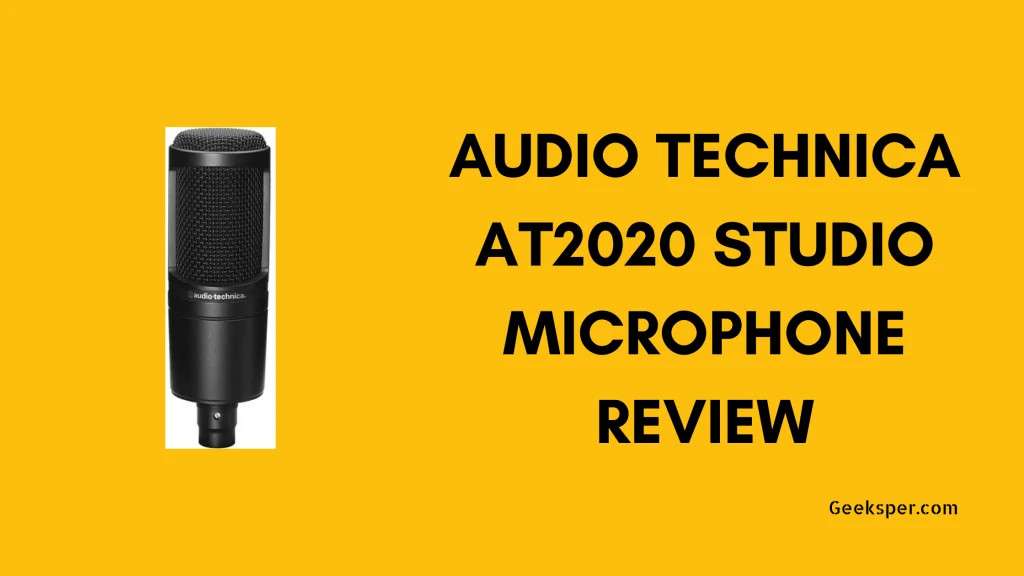
2. Audio-Technica AT2035
The AT2035 also appears in lists of the best condenser microphones for vocals, and it holds up well as a large-diaphragm option too. Audio-Technica has built a strong reputation for reliable, well priced microphones.
This is a durable cardioid microphone with a natural, smooth, and relatively low noise sound. It includes an 80Hz high pass filter and a 10dB pad to manage high sound pressure levels. As an XLR microphone, it requires 48 volt phantom power and will not work by plugging directly into a computer without an audio interface.
The build is all metal and lightweight at around 1kg.
Best for
- Beginners setting up a first home studio
- Budget conscious vocal and instrumental recording
- Users who want a durable, no frills microphone
Key features
- Cardioid polar pattern
- 80Hz high pass filter
- Switchable 10dB pad
- All metal, lightweight construction
Pros
- Smooth, natural, and relatively low noise sound
- Handles high pressure sound sources well
- Durable build quality
- Budget friendly
Cons
- Requires phantom power and an audio interface
Who should buy it
- First time condenser microphone buyers
- Users wanting solid performance at a lower price
Who should avoid it
- Users without an audio interface or phantom power source
Final verdict
The AT2035 is a practical, durable choice for anyone starting out with large-diaphragm condenser microphones, offering good value for the price.
3. Rode NT1-A
Rode is a well known brand with a strong presence in the recording microphone market. The NT1-A is a large-diaphragm microphone that comes bundled with a shock mount and pop filter.
It has a fixed cardioid polar pattern with a frequency response of 20Hz to 20kHz, a sensitivity of about -32dB, and a maximum sound pressure level of 137dB. The low end is slightly boosted around 90Hz to 100Hz, which gives recordings a somewhat sharper character. As an XLR microphone, it requires phantom power between 24 and 48 volts.
The build is all metal and feels solid in hand.
Best for
- Upgrading from an entry level microphone
- Vocal and acoustic instrument recording
- Users who want a bundled shock mount and pop filter
Key features
- Fixed cardioid polar pattern
- 20Hz to 20kHz frequency response
- Maximum SPL of 137dB
- Includes shock mount and pop filter
Pros
- Solid build quality
- Slightly sharpened, detailed sound
- Good noise rejection
- Bundled accessories add value
Cons
- No switchable polar patterns or low roll-off options
- Requires phantom power
Who should buy it
- Users upgrading from a basic USB or entry level mic
- Those who want good overall quality without extra switches
Who should avoid it
- Complete beginners looking for the lowest cost option
- Users who want multiple polar pattern choices
Final verdict
The Rode NT1-A is a solid step up for users ready to upgrade, offering good sound quality and useful bundled accessories.
4. sE Electronics sE4400a
sE Electronics has built a reputation for high quality condenser microphones aimed at vocals, voiceovers, and instrumentals. The sE4400a is positioned as a versatile, professional grade option at a price more accessible than some competitors.
This microphone uses two capsules and offers four polar patterns: omnidirectional, cardioid, hyper-cardioid, and figure 8. It has a switchable pad from -10dB to -20dB and a switchable high pass filter. The frequency response is 20Hz to 20kHz, sensitivity is around -32dB, and maximum sound pressure level ranges from 122dB to 142dB. Self noise is rated at 16dB.
The build is all metal with a rubberized grip, weighing around 280 grams. As an XLR microphone, it requires 48 volt phantom power. Some users may notice occasional sibilance with certain voices.
Best for
- Users wanting flexibility across multiple polar patterns
- Vocals, instrumentals, and general purpose recording
- Home studio owners wanting professional level versatility
Key features
- Four switchable polar patterns
- Switchable pad and high pass filter
- 20Hz to 20kHz frequency response
- Lightweight, all metal build with rubberized grip
Pros
- Highly versatile across recording types
- Multiple pad and filter options
- Relatively low self noise
- Premium feel at a more accessible price
Cons
- Requires phantom power
- May produce occasional sibilance with some voices
Who should buy it
- Users who want one microphone for multiple recording situations
- Home studio owners seeking professional level versatility
Who should avoid it
- Users who are sensitive to sibilance and prefer a flatter high end
Final verdict
The sE4400a is a strong all rounder for users who want flexibility across polar patterns and recording situations, with only minor trade offs around sibilance.
5. AKG C214
AKG is a long established name found in many recording studios. The C214 is positioned as a more affordable alternative to higher end large-diaphragm microphones, including the sE4400a.
This is an XLR condenser microphone requiring phantom power between 12 and 52 volts. It has an all metal body with a metal mesh grille, weighing around 290 grams. It includes a switchable pad from 0 to -20dB and a 6dB high pass filter.
The C214 has a fixed cardioid polar pattern with a frequency response of 20Hz to 20kHz, sensitivity around -34dB, a maximum sound pressure level of 136dB to 156dB, and self noise of 13dBA. It performs well for vocals and acoustic instruments, with a noticeable proximity effect. Some users may notice a boosted high end that can lead to sibilance or a slightly metallic tone.
Best for
- Beginners wanting a reputable brand at a lower price
- Vocal recording with a noticeable proximity effect
- Acoustic instrument recording
Key features
- Fixed cardioid polar pattern
- Switchable pad and high pass filter
- Self noise of 13dBA
- All metal body with mesh grille
Pros
- Good overall look and build
- Strong noise rejection
- Performs well on acoustic instruments
- More affordable than some competitors
Cons
- Fixed cardioid pattern only
- Can sound slightly sibilant or metallic at the high end
- Requires phantom power
Who should buy it
- Beginners wanting a trusted brand at a lower price point
- Users prioritizing vocal recording with proximity effect
Who should avoid it
- Users sensitive to high end brightness or sibilance
Final verdict
The AKG C214 is a reasonable entry point into large-diaphragm condenser microphones from a trusted brand, with some trade offs at the high end of the frequency response.
6. Blue Spark SL
Blue Spark SL is a widely used studio condenser microphone known for transparent sound and versatility. It works well across vocals, guitars, drums, pianos, and other instruments.
This is an XLR condenser microphone requiring 48 volt phantom power. The build is all metal and feels substantial, with a slightly heavier weight than typical microphones in this category. It includes a switchable frequency response option to reduce low end content when needed.
The Spark SL has a cardioid polar pattern, a frequency response of 20Hz to 20kHz, a maximum sound pressure level of 136dB, and self noise of 13dBA. It performs well for noise rejection and captures fine detail in both vocal and instrumental recordings. It also includes two modes, a normal mode and a focus mode, with focus mode often providing additional clarity.
Best for
- Home studio setups, YouTube content, and voiceovers
- Users wanting strong detail across vocals and instruments
- Those who want a switchable focus mode for added clarity
Key features
- Switchable frequency response option
- Two recording modes: normal and focus
- Self noise of 13dBA
- All metal, substantial build
Pros
- Strong overall sound quality
- Good noise rejection
- Useful focus mode for added clarity
- Solid value for the feature set
Cons
- Requires phantom power
- Needs a stable power supply and decent audio interface for best results
Who should buy it
- Home studio owners, YouTubers, and voiceover artists
- Users wanting a versatile, detailed sounding microphone
Who should avoid it
- Users without access to a reliable audio interface and power supply
Final verdict
The Blue Spark SL is a versatile and detailed sounding microphone that works well across a range of recording situations, making it a strong pick for home studios.
How to Choose the Right One
Before buying, check the latest price and availability, since pricing and product availability can change over time.
If you want the highest overall quality and your budget allows it, the Neumann U87 Ai is the strongest option on this list. If you are just starting out, the Audio-Technica AT2035 offers solid performance at a lower price.
For users looking to upgrade from an entry level mic, the Rode NT1-A is a reasonable step up. If you want flexibility across multiple polar patterns, the sE4400a stands out, while the AKG C214 offers a more affordable alternative with some trade offs.
The Blue Spark SL is a versatile choice for home studios, YouTube content, and voiceover work.
For more on how condenser microphones work in general, see our guide on what a condenser microphone is. If you are specifically focused on vocals, our guide to the best condenser microphones for vocals covers more options in that category.
Conclusion
All six microphones in this guide are well regarded large-diaphragm condenser microphones, each with different strengths depending on your budget and recording needs. The Neumann U87 Ai leads for professional use, the AT2035 and AKG C214 offer accessible entry points, the Rode NT1-A and sE4400a suit users looking to upgrade or add versatility, and the Blue Spark SL works well for home studios and content creators.
Pick the one that matches your budget, recording style, and the type of sound you want, and always check current pricing and availability before making a final decision.