

If your mic keeps picking up background sound, like a busy coffee shop or general room noise, there are several reliable ways to clean that up using your computer. This guide covers what background noise reduction actually is, how it works, and the main methods for reducing unwanted sound, whether through hardware, software, or an external device.
What Is Background Noise Reduction?
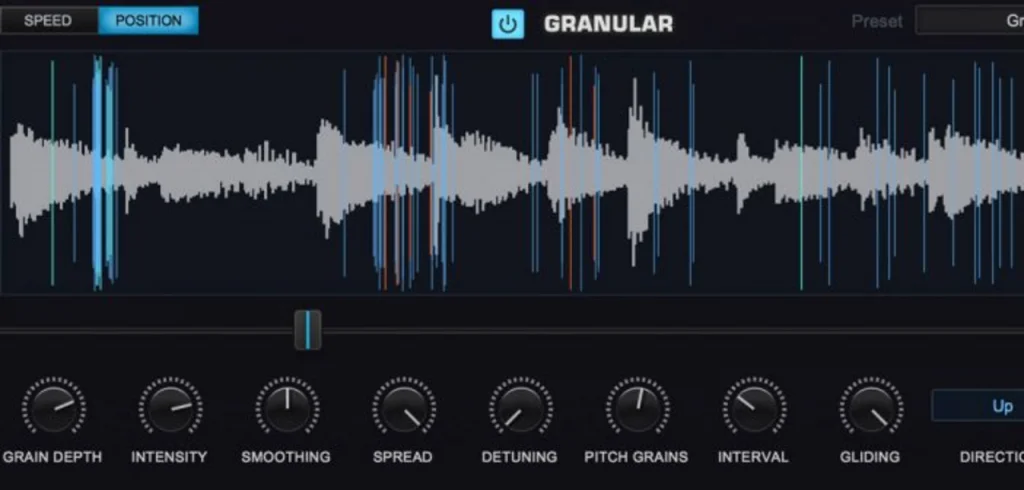
Background noise reduction (BNR) works by taking a sample of the surrounding sound, then having your computer generate a kind of mirror image of that sound and subtract it from the original recording.
The result is a recording with as much unwanted sound removed as possible, making it clearer and easier to listen to. There are a few different approaches to achieving this on your computer.
What Is Audio Noise?
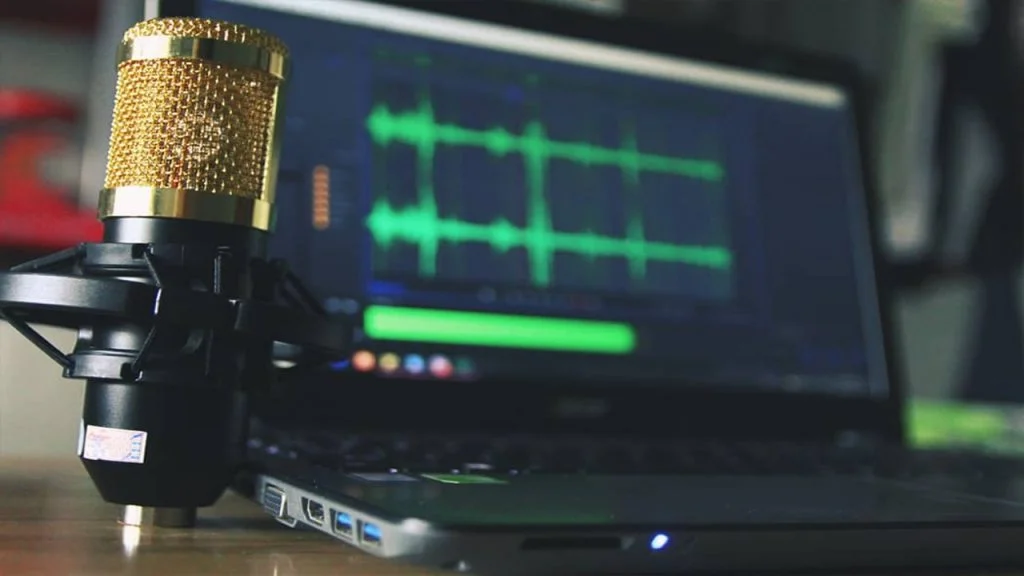
Audio noise can leak into a recording through electrical signals passing between components inside a computer, including through headphone jacks or speakers. These signals show up as unwanted background noise in your recordings.
One way to reduce this is by introducing a counteracting electrical signal, a method known as active noise cancellation, similar to the technology used in noise-canceling headphones. Your computer can use its built-in microphone to apply this same principle.
Reducing Background Noise With Your Internal Mic
How Does Internal Noise Reduction Work?
If your laptop or monitor has an external speaker, try recording the sound coming from it and playing it back through that same speaker. You’ll likely notice very little difference compared to the original sound, which is a result of active noise cancellation working through the internal microphone.
How to Use It
If your computer has a built-in microphone, you can use it to reduce background noise during recording. The general process looks like this:
- Open audio recording software on your computer, such as Audacity
- Click record and start your recording
- Click stop once you’re finished
- Select the process or effects menu
- Choose Noise Reduction from the available options
- Confirm and apply the effect
Your recording should come out with noticeably less background noise once processed.
Steps for Background Noise Reduction
Use a Dedicated Background Noise Reduction Microphone
If you want the best possible results, a microphone built specifically for background noise reduction is the strongest option. These mics are designed with this purpose in mind, often paired with software that makes the noise reduction process easier.
Some models also let you manually adjust the level of noise reduction applied, giving you more control over the final sound. For more on choosing a strong all-around microphone, our guide to best microphones under $200 covers solid options.
Use Noise Reduction Software
If you don’t have a dedicated noise reduction mic, or want to test the software approach first, there are several solid options available. Windows includes a basic noise reduction tool built into its Sound Recorder, and more advanced third-party tools are also available.
Use an External Noise-Canceling Device
If background noise remains a persistent problem, an external noise-canceling device is worth considering. These work by canceling out unwanted sound entering the microphone, making your recordings clearer.
It’s worth noting that these devices only work with microphones specifically. They won’t help reduce sound coming through your computer’s internal speakers.
FAQ
Can I use a noise-canceling microphone to reduce background noise on my computer?
Yes, but only for sound entering through the microphone itself. You’ll still need a separate method to address noise coming from your speakers.
Is there software I can use to reduce background noise?
Yes. Audacity and several third-party tools let you apply noise reduction directly to your recordings after the fact.
Can I use an external noise-canceling device with my computer in general?
These devices are designed to work specifically with microphones, not with your computer’s speakers or general audio output.
Conclusion
A dedicated background noise reduction microphone offers the strongest results if background noise is a persistent issue, but software and external noise-canceling devices are both solid alternatives if you’re not ready to invest in new hardware. Just keep in mind that noise-canceling devices only address sound coming into a microphone, not noise from your speakers.
For more on related microphone setups and fixes, see our guides on how to build a vocal booth, what does phantom power do, what is a shotgun microphone, what is a microphone array, and what is an XLR microphone.