

Finding a good vocal microphone under $200 means balancing sound quality, durability, and features without overspending. This guide covers seven microphones across condenser, dynamic, and USB types, each suited to different budgets and recording needs within this price range.
These recommendations are based on research into specs, brand reputation, and how each microphone performs for vocal recording and live use.
Disclosure: Some links in this article may be affiliate links. If you buy through our links, we may earn a small commission at no extra cost to you. As an Amazon Associate, we earn from qualifying purchases.
Setting a Budget Before You Buy
Microphone prices range widely, from around $50 to several thousand dollars. Setting a budget before you start comparing options makes the decision easier and helps you focus on microphones that fit your needs without overspending.
If you are open to a slightly higher budget, our guide to best condenser microphones for vocals and best microphones for recording vocals on computer cover additional options.
Best Microphones for Vocals Under $200
1. AKG P420
AKG has a strong reputation for producing versatile, durable audio equipment. The P420 is a dual capsule condenser microphone known for its versatility and build quality at this price point.
It offers three polar patterns: cardioid, omnidirectional, and figure-8, giving you flexibility for different recording situations. The frequency response is 20Hz to 20kHz, covering the full range of human hearing, and the maximum sound pressure level is 155dB, the highest on this list, which means it handles loud sources like drums and instrumentals well.
Best for
- Users wanting multiple polar pattern options
- Vocals and instrumental recording
- Long term, durable home studio use
Key features
- Three polar patterns: cardioid, omnidirectional, figure-8
- 20Hz to 20kHz frequency response
- Maximum SPL of 155dB
- Durable build quality
Pros
- Versatile across recording types
- Strong noise cancellation
- High maximum SPL for loud sources
- Easy connectivity
- Durable construction
Cons
- Plain design compared to some alternatives
Who should buy it
- Users wanting one versatile microphone for vocals and instruments
Who should avoid it
- Users prioritizing design and aesthetics over functionality
Final verdict
The AKG P420 is a strong all rounder for vocals and instrumentals, offering flexibility and durability at this price point.
2. Rode NT-USB
Rode has built a reputation for producing microphones aimed at singers and content creators. The NT-USB is a USB condenser microphone designed specifically for vocal recording in a studio-like setup.
It has a cardioid polar pattern, a frequency response of 20Hz to 20kHz, and a maximum sound pressure level of 110dB. This SPL is lower than some alternatives, so it is better suited to vocals than to loud instrumentals like drums or acoustic guitar.
It includes gain control and real-time input monitoring, and connects easily over USB without needing an audio interface.
Best for
- Vocal recording in a home studio setup
- Users wanting real-time monitoring and gain control
- Simple USB connectivity without an audio interface
Key features
- Cardioid polar pattern
- 20Hz to 20kHz frequency response
- Maximum SPL of 110dB
- Built in gain control and real-time monitoring
Pros
- Attractive design
- Made specifically for home studio vocal recording
- Gain control and real-time monitoring
- Cost effective for the features included
Cons
- Lower maximum SPL, not ideal for drums or high pressure sources
Who should buy it
- Vocalists wanting a focused, easy to use USB microphone
Who should avoid it
- Users planning to record loud instruments alongside vocals
Final verdict
The Rode NT-USB is a strong choice for vocal focused recording, especially for users who want monitoring and gain control built in.
3. MXL 770
MXL has built a reputation for offering modern microphone technology at accessible prices. The 770 is a budget friendly condenser microphone with a traditional, classic design.
It has a frequency response of 30Hz to 20kHz, with a relatively minimal low end, and a maximum sound pressure level of 137dB, which works well for instruments like piano or bass. The cardioid polar pattern helps with noise cancellation and clear sound capture.
Best for
- Beginners on a tight budget
- Podcasting and vocal practice
- Entry level home studio setups
Key features
- Cardioid polar pattern
- 30Hz to 20kHz frequency response
- Maximum SPL of 137dB
- Classic, traditional design
Pros
- Budget friendly
- Attractive, classic design
- Crisp sound quality
- Works reasonably well on instrumentals
Cons
- Build durability is less robust over time
- Noise cancellation is less effective than higher priced options
- Slight distortion noticeable at the low end
Who should buy it
- Beginners wanting an affordable entry point into condenser microphones
Who should avoid it
- Users wanting a long term, heavy use microphone
Final verdict
The MXL 770 is a practical entry level choice for beginners, with the MXL 990 worth considering as a step up if budget allows.
4. Blue Yeti
The Blue Yeti is one of the most recognized USB microphones available, known for its classical yet attractive design and strong reputation among content creators.
It offers four polar patterns: cardioid, omnidirectional, bidirectional, and stereo, giving it notable versatility for a USB microphone. The frequency response is 20Hz to 20kHz, with a 16-bit depth and 48kHz sample rate, both solid specs for a USB microphone.
Best for
- Podcasting, voiceovers, interviews, and vocals
- Users wanting multiple polar pattern options on USB
- Content creators wanting an all-round microphone
Key features
- Four polar patterns: cardioid, omnidirectional, bidirectional, stereo
- 20Hz to 20kHz frequency response
- 16-bit depth, 48kHz sample rate
- Gain control and headphone output
Pros
- Classical, attractive design
- Four pickup polar patterns
- Strong frequency response
- Easy connectivity and portability
- Gain control and headphone output included
Cons
- None significant at this price point
Who should buy it
- Users wanting a versatile, well supported USB microphone for vocals and content creation
Who should avoid it
- Users specifically needing XLR connectivity for professional setups
Final verdict
The Blue Yeti remains a strong all-round USB microphone choice for vocals, podcasting, and general content creation.
5. Sennheiser E935
Sennheiser has a strong reputation for producing microphones aimed at singers and performers. The E935 is a dynamic microphone that stands out in this list for its overall sound quality and brand reliability.
It has a frequency response of 20Hz to 20kHz, which is wide for a dynamic microphone, and a half-cardioid polar pattern. This pattern differs from the full cardioid pattern found in most condenser microphones, and as a result, noise cancellation is less precise, meaning some background noise may be picked up during recording.
Best for
- Live and stage vocal performance
- Users wanting strong sound quality from a dynamic microphone
- Performers who also want to record instrumentals occasionally
Key features
- Half-cardioid polar pattern
- 20Hz to 20kHz frequency response
- Durable, classic dynamic mic design
- Good grip and build quality
Pros
- Strong sound capturing
- Durable construction
- Easy connectivity
- Wide frequency response for a dynamic mic
Cons
- Noise cancellation is less precise due to the half-cardioid pattern
Who should buy it
- Performers wanting a reliable dynamic microphone for stage use
Who should avoid it
- Users recording in noisy environments who need precise noise rejection
Final verdict
The Sennheiser E935 is a strong pick for live performance, with sound quality that holds up well against condenser alternatives.
6. Shure SM58S
Shure produces a wide range of microphones across multiple categories, and the SM58S is a dynamic vocal microphone that combines elements often associated with condenser microphones into a dynamic design.
It has a frequency response of 50Hz to 15kHz, narrower than some alternatives at the low end, and a maximum sound pressure level of 94dB, which suits typical vocals and singing but is not ideal for drums or acoustic instruments. The cardioid polar pattern gives it better noise cancellation than the Sennheiser E935.
Best for
- Stage performance and live vocals
- Users wanting a dynamic microphone with cardioid noise cancellation
- Budget conscious performers
Key features
- Cardioid polar pattern
- 50Hz to 15kHz frequency response
- Maximum SPL of 94dB
- Durable, classic dynamic mic build
Pros
- Strong overall sound quality
- Good build quality
- Affordable
- Well suited for stage performance
Cons
- Lower maximum SPL limits use with loud instruments
- Frequency response is narrower at the low end
Who should buy it
- Performers wanting a dependable, affordable dynamic vocal microphone
Who should avoid it
- Users wanting to record instruments with high sound pressure levels
Final verdict
The Shure SM58S is a dependable choice for stage vocals, especially for performers who value cardioid noise cancellation in a dynamic microphone.
7. Audio-Technica AT2020
Audio-Technica has a long standing reputation for producing reliable microphones without major compromises. The AT2020 is a condenser microphone that fits well within vocal recording needs at this price point.
It has a cardioid polar pattern, a frequency response of 20Hz to 20kHz, and a maximum sound pressure level of 144dB. These specs cover the needs of most vocal recording situations without being excessive or lacking.
Best for
- Vocals and general instrumental recording
- Users wanting a balanced, no-compromise condenser microphone
- Home studio setups needing an audio interface
Key features
- Cardioid polar pattern
- 20Hz to 20kHz frequency response
- Maximum SPL of 144dB
- Durable, classic design
Pros
- Balanced specs for vocals and instrumentals
- Natural sound output
- Strong noise cancellation
- Affordable for the quality offered
Cons
- Requires an audio interface, which adds a setup step for beginners
Who should buy it
- Users wanting a balanced, versatile condenser microphone
Who should avoid it
- Users who specifically want plug and play USB simplicity
Final verdict
The AT2020 is a well rounded condenser microphone that handles vocals and instrumentals without major trade offs, as long as you have an audio interface.
Buyer’s Guide
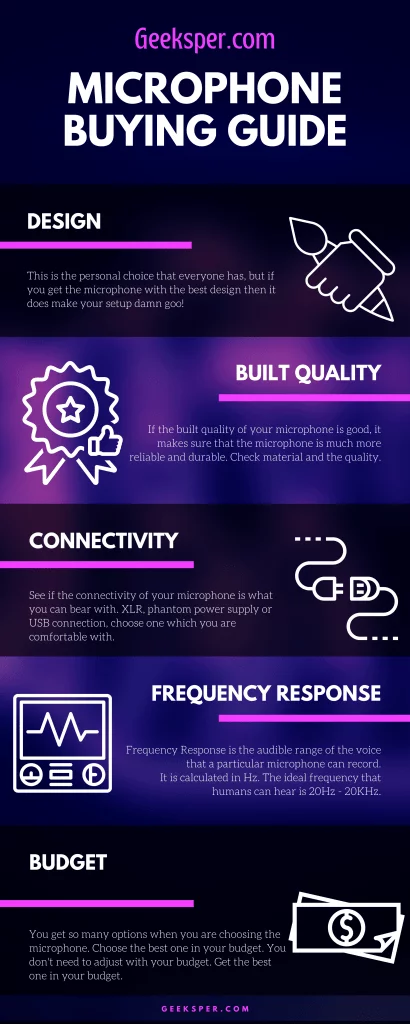
When comparing vocal microphones under $200, keep the following factors in mind:
- Design: a personal preference that can affect how comfortable you feel using the microphone regularly
- Build quality: durability matters for microphones used frequently over time
- Pricing: set a budget in advance to narrow down your options
- Brand: established brands often provide more consistent quality and support
- Frequency response: a wider range, ideally close to 20Hz to 20kHz, captures more detail
- Maximum SPL: a higher max SPL allows the microphone to handle louder sound sources without distortion
- Polar patterns: multiple polar patterns add flexibility for different recording situations
- Connectivity: consider whether you want USB simplicity or XLR with an audio interface
- Type of microphone: condenser, dynamic, and USB microphones each suit different use cases
Before buying, check the latest price and availability, since pricing and product availability can change over time.
FAQ
Which microphone is best for vocals under $200?
It depends on your setup and needs. The AKG P420 and Blue Yeti are strong all-round choices, while the Rode NT-USB suits vocal-focused home studios, and the Sennheiser E935 and Shure SM58S are better for live performance.
What is a good cheap microphone for recording vocals?
The MXL 770 is one of the more affordable options in this list and works well for beginners practicing vocals or recording podcasts on a tight budget.
What is a good Shure microphone for vocals?
The Shure SM58S is a popular dynamic vocal microphone known for its durability and cardioid polar pattern, making it a solid choice for live vocal performance.
Conclusion
All seven microphones in this guide offer solid vocal performance under $200, each with different strengths. The AKG P420 and Blue Yeti stand out as versatile all-rounders, the Rode NT-USB and MXL 770 suit vocal-focused home studios at different price points, and the Sennheiser E935 and Shure SM58S are strong choices for live performance. The Audio-Technica AT2020 offers a balanced option for those willing to use an audio interface.
For more options across different budgets and use cases, see our guide to best microphones for vocals, singing or recording.