

If you want to record with more than one microphone in GarageBand, whether for a podcast, a duet, or a fuller band recording, there are a few reliable ways to set this up. The right approach depends mostly on whether you’re using simple USB mics or a dedicated audio interface.
This guide covers what GarageBand is, why people use it, and the actual steps for connecting and recording with multiple microphones.
What Is GarageBand?
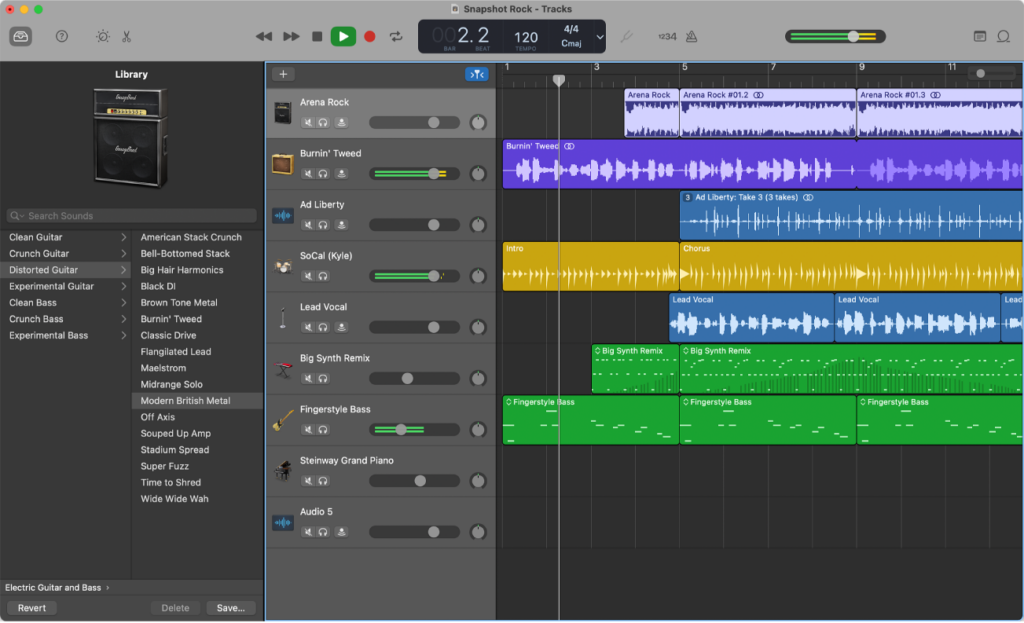
GarageBand is a music creation and recording application available on Mac and iOS devices. It lets you record audio, layer multiple tracks, add effects like reverb or distortion, and edit everything into a finished project.
GarageBand is compatible with a wide range of instruments and microphones, making it a popular starting point for home recording, whether you’re capturing vocals, instruments, or podcast-style conversations.
Advantages of Using GarageBand
GarageBand is approachable and beginner friendly, with a wide range of built-in sounds and effects to experiment with. A few of its core advantages include:
- Easy to use and available on any Mac
- Useful for a range of purposes, from original music to recording vocals or instruments
- Compatible with many different microphones, giving you flexibility in hardware
- Affordable, since it comes free with most Macs
- A wide variety of built-in sounds and effects to work with
How to Connect Multiple Mics to GarageBand
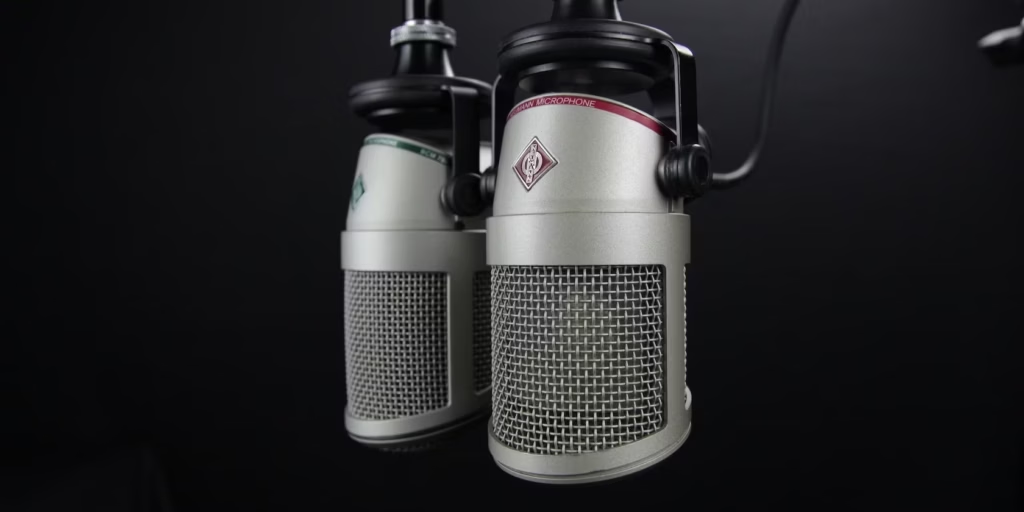
GarageBand itself only recognizes one audio input device at a time by default, the same way most consumer audio software works. To use multiple microphones simultaneously, you have two realistic options: use a dedicated audio interface with multiple inputs, or create an aggregate audio device on your Mac that combines multiple USB mics into a single virtual input.
Option 1: Use an Audio Interface
This is the more reliable option if you’re recording multiple mics regularly. An audio interface with two or more XLR inputs lets you plug in multiple microphones at once, and GarageBand will see the interface as a single input source with multiple channels available, letting you assign each mic to its own track.
- Connect your audio interface to your Mac via USB or Thunderbolt
- Plug your microphones into the interface’s input channels
- Open GarageBand, go to Preferences, then Audio/MIDI, and select your audio interface as the input device
- Create a new track for each microphone, and assign each track to the correct input channel from your interface
Option 2: Create an Aggregate Device for Multiple USB Mics
If you’re using two separate USB microphones rather than an interface, macOS lets you combine them into a single virtual input using the Audio MIDI Setup utility, found in your Mac’s Utilities folder.
- Open Audio MIDI Setup
- Click the plus icon in the bottom-left corner and select “Create Aggregate Device”
- Check the box next to each USB microphone you want to include
- Open GarageBand, go to Preferences, then Audio/MIDI, and select the aggregate device as your input
- Create a track for each microphone and assign the correct input channel to each one
Keep in mind that USB microphones can sometimes have slightly different clock timing, which may introduce small sync issues when combined this way. An audio interface generally avoids this problem and is the more dependable choice for serious multi-mic recording.
Tips for Recording With Multiple Mics in GarageBand
- Label each track clearly so you know which microphone feeds into which track
- Do a short test recording first to confirm each mic is routed correctly before a full take
- Keep mic levels reasonably balanced between sources to avoid one track overwhelming the others, adjusting gain on each input as needed
- If you’re recording vocals and an instrument together, consider basic isolation, like distance or a vocal booth, to keep bleed between mics manageable
FAQ
Do I need a separate audio interface to connect multiple microphones to GarageBand?
Not strictly, but it’s the more reliable option. You can combine multiple USB microphones into an aggregate device through macOS instead, though an audio interface generally offers more stable performance and easier per-channel control.
How many microphones can GarageBand handle at once?
GarageBand itself doesn’t impose a hard limit, but the realistic limit comes from your hardware, specifically how many input channels your audio interface or aggregate device supports.
What is GarageBand best used for?
GarageBand works well for recording and editing your own music, including sequencing, mixing, and layering different instruments or vocal tracks. It supports a wide range of instruments and voice recording, and it’s also commonly used for podcasting and basic audio editing.
Conclusion
GarageBand is a solid, accessible tool for recording music and vocals, and connecting multiple microphones is entirely possible with the right setup. An audio interface offers the most reliable path for multi-mic recording, while an aggregate device is a workable alternative if you’re sticking with USB mics.
For more on related recording setups, see our guides on how to connect multiple microphones to a computer, how to mount a boom arm to a monitor stand, and how to stream Spotify through your mic.