
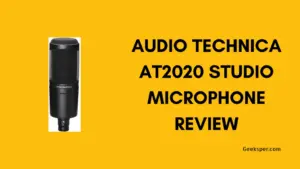
The Audio-Technica AT2020 is one of the most popular microphones on the market and consistently appears in top microphone lists. We tested the AT2020 to see how it performs for vocals, podcasting, and general home recording.
This review covers the AT2020’s features, technical specs, performance, pros, cons, and what’s in the box.
Audio-Technica AT2020 Microphone Review
Audio-Technica is known for producing versatile microphones with advanced features at accessible prices, and the AT2020 fits that reputation well, offering affordable pricing alongside smooth sound output.
If you want a no-frills microphone for recording good sound on PC or Mac, the AT2020 is worth a close look. This condenser microphone is one of the best-selling models on Amazon, with an average customer rating of four out of five stars.
In our testing, the large diaphragm delivered strong sound quality, capturing detail clearly whether recording vocals, instruments, or other sources. While it is not the only condenser microphone on the market, it remains one of the best options for home recording.
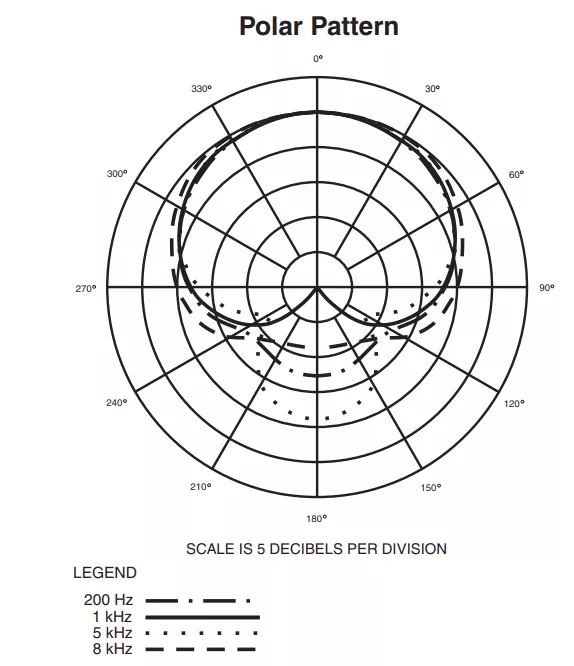
The AT2020 has a single cardioid polar pattern, delivering professional quality performance with crystal clear audio for recording and chatting, making it well suited for podcasters and voiceover work.
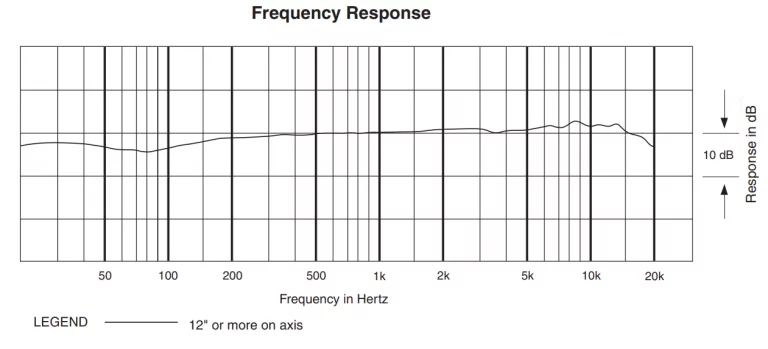
It has a wide frequency response of 20Hz to 20kHz and a high maximum SPL of 144dB, with both USB and XLR connectivity options depending on the variant, making it easy to set up.
Features of the Audio-Technica AT2020
The AT2020 is a side-address cardioid condenser microphone with a frequency response extending from 20Hz to 20kHz. It is best used for recording vocals and instruments, with rugged construction designed to handle regular use.
The AT2020 is part of Audio-Technica’s Studio Pro series and is also available in an XLR version.
Build Quality
In our testing, the build quality stood out as excellent and durable, suggesting it will hold up well over time regardless of how it is used. The microphone is compact at 9.6 inches and lightweight at around 1.5 pounds, with a metal body and metal grille.
Polar Pattern
The cardioid polar pattern is particularly beneficial for recording vocals and voiceovers. It is sensitive mainly to sound directly in front of the microphone, while sound from the sides is largely rejected, helping reduce background noise.
Frequency Response and High Max SPL
The AT2020’s frequency response of 20Hz to 20kHz is a wide range, and the cardioid polar pattern helps capture sound in a natural, proficient way.
Sound Pressure Level (SPL) is an important factor in microphone performance, and in our testing, the AT2020’s SPL rating delivered clean, authentic, direct, and crisp vocals. It has a maximum SPL of 144dB.
Performance
In our testing, the AT2020 performed impressively, covering vocals and other sound sources with a clear, professional feel. It works well in professional setups, and compared to many USB microphones, it captures more precise sound with greater clarity.
Design and Features
The AT2020 comes with a small leather pouch for carrying. The metal body has a clean finish, and depending on the variant, it uses an XLR cable, with additional equipment needed separately for a full setup. The microphone weighs around 12.1oz, with cast metal construction giving it a sleek look and a mesh grille that protects the internal capsule.
The open-circuit sensitivity is 14.1mV/Pa, which works well for studio vocal recording, and the noise figure on the higher side is 20dB, paired with the 144dB max SPL mentioned earlier.
Overall, the AT2020 is a budget friendly condenser microphone well suited for home use, performing well for podcasting, recording instruments, and vocals as an all-rounder microphone.
Technical Specifications
| Specification | Details |
|---|---|
| Brand | Audio-Technica |
| Model | AT2020 |
| Polar pattern | Unidirectional (cardioid) |
| Color | Black |
| Connector type | XLR |
| Connectivity | Wired |
| Frequency response | 20Hz to 20kHz |
| Maximum SPL | 144dB |
| Audio sensitivity | 37dB |
| Material | Metal |
| Signal to noise ratio | 74dB |
| Weight | 345 grams |
| Noise level | 20dB |
Pros and Cons
Pros
- Affordable pricing
- Attractive design
- Durable build quality
- Strong sound capturing
- Well engineered
- Natural sound quality
- Strong noise cancellation
Cons
- Noise sensitivity is slightly higher than average
What’s in the Box
The Audio-Technica AT2020 comes with:
- Audio-Technica AT2020 studio XLR microphone
- Pop filter
- XLR cable
The AT2020 is one of our favorite microphones in this price range, offering a single cardioid pattern and crystal clear audio recording thanks to its high quality condenser capsule design.
This studio grade condenser mic is well suited for recording vocals, instruments, or podcasts. Depending on the variant, it offers XLR and USB connectivity, making it easy to connect to a computer or laptop without needing much additional hardware, which adds to its overall value.
In our testing, the sound stayed clear without much background noise or interference, meaning recordings generally needed minimal editing afterward. The crisp, clean sound makes it well suited for podcasting, YouTube, Twitch streaming, Skype calls, and gaming commentary. If you are setting up specifically for gaming voice chat, our guide to best mic for Discord covers more options in that space. For more on what a pop filter does, see our guide on what does a pop filter do.
Conclusion: Should You Buy This Microphone?
Based on our testing, we would recommend the Audio-Technica AT2020. It fits well across different use cases, and its budget friendly pricing makes it a strong choice for both home use and studio settings. For studio recording specifically, pairing it with some additional equipment will help improve vocal quality further, but it performs well for home use as-is.
Before buying, check the latest price and availability, since pricing and product availability can change over time. If you are also considering other condenser microphones for vocals, our guide to best condenser microphones for vocals covers more options worth comparing.