
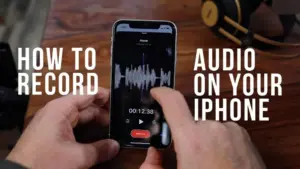
Recording audio on an iPhone is one of the most common questions iPhone users run into, and it’s actually pretty straightforward once you know your options. There are several ways to do it, and the best approach often comes down to using the right app, or pairing your phone with an external microphone for better sound quality.
This guide covers the top apps for recording audio on iPhone, along with the best external microphones if you want noticeably clearer results.
Voice Memos App
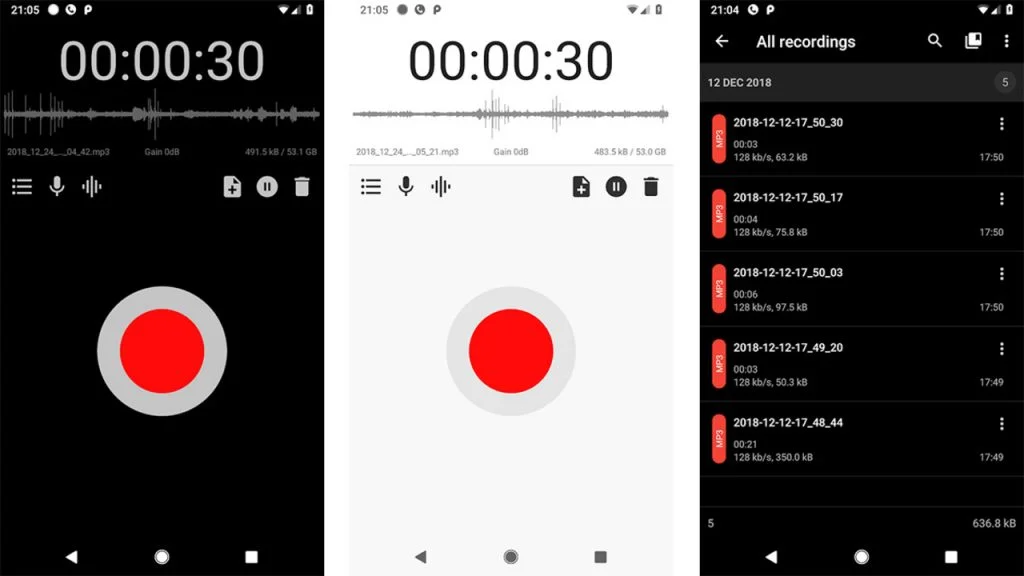
Voice Memos is one of the best built-in options for recording audio on an iPhone, available across iOS devices. It lets you quickly capture voice notes directly from your iPhone or iPad.
Recordings are easy to edit afterward, including deleting or replacing specific parts. Voice Memos is a quick, straightforward stereo recording app, and you can share recordings through platforms like Facebook, YouTube, Vimeo, or other social networks.
How to Use Voice Memos
- Open the Voice Memos app or ask Siri to open it.
- To record, tap or stop, tap on your iPad or Mac, tap or click.
- When you tap, your voice memos is saved automatically with your current location as the title.
- On your iPad or Mac, click Pause Button when you are finished recording. (When finished, tap the red record button again to end the recording.)
You can listen to your voice memos on every device signed in with the same Apple ID and iCloud. First, make sure that it’s turned on in the iCloud settings for each device. After you record a voice memos, you can edit recording.
It can also record in a variety of file formats. This is one of the people most favorite recording app, because of their basic voice recording. Choose Message, Emails, Slack, or Google Drive as the method for sharing your memo. That’s all.
Rev Voice Recorder App
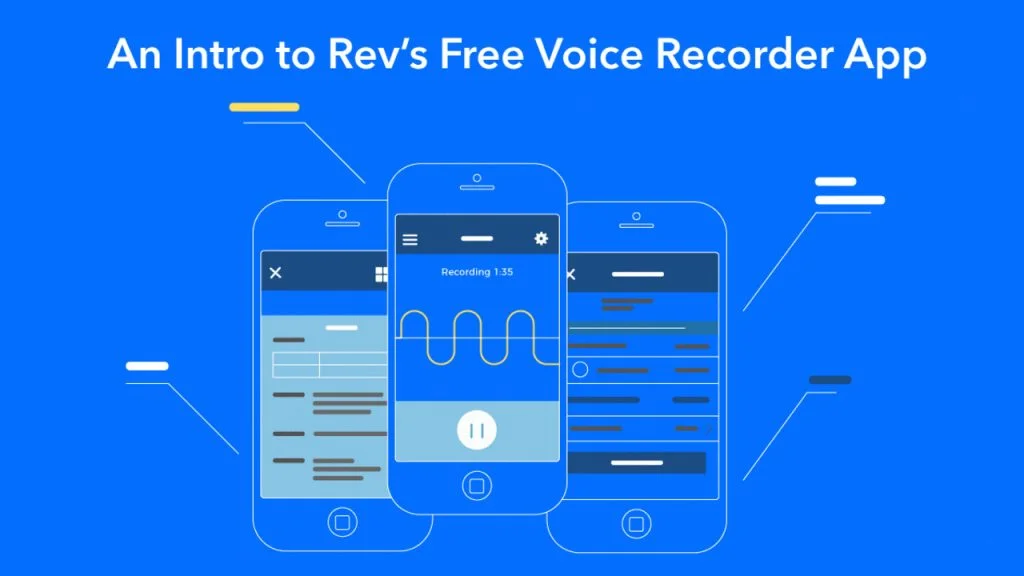
Rev Voice Recorder keeps all your recordings organized in one place, making it easy to find a specific recording when you need to send it for transcription.
You can view transcripts directly in the app, and the app itself is available as a free download from the App Store.
How to Use Rev Voice Recorder
Before you start recording, go to Apple’s App Store and download the Rev voice recorder & Audio Editor app.
- Launch the app and tap the “Record” button to start the recording.
- Record your audio, and Whenever you want to stop the recording, tap the “Pause” button.
- Click “Preview” to replay the recorded sound edit interface to fast forward, rewind, and play the audio whenever you want.
- Click “Download” to get your audio file or delete to remove the file if you didn’t like the first audio.
Rec voice recorder & Audio Editor is also available online so, you can use this app to record audio on your iPhone easily. The best thing about this app is that it will not require any in-app purchases and will offer a free service for Apple users.
How to Record Clearer Audio on iPhone
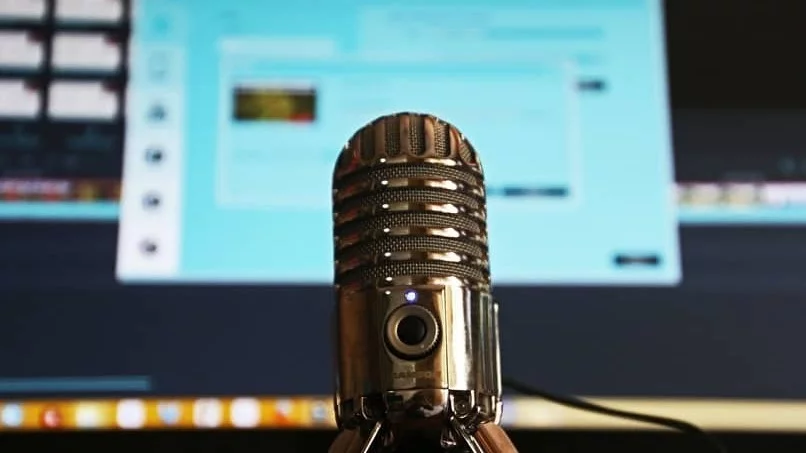
For recording audio with a clear, crisp voice, an external microphone makes a real difference. It lets you record clean audio in nearly any location without relying entirely on your iPhone’s built-in app capabilities.
External microphones generally offer noticeably better sound quality compared to the iPhone’s built-in mic. Pairing a quality external mic with the right recording app is the most reliable way to get professional-sounding audio on an iOS device.
Best Microphones for iPhone
1. A Lightning-Connector External Mic
A strong all-around option plugs directly into your iPhone via the Lightning connector and includes a 3.5mm headphone port, letting you monitor your sound as you record. It typically comes with a clip to keep the mic secured to your phone, along with a windshield for outdoor or windy conditions.
Pros
- Affordable price
- Well made and robust
- Small and lightweight
Cons
- Not compatible with non-Apple phones
2. A Clip-On Lavalier Microphone
A clip-on lavalier mic is an affordable way to noticeably improve iPhone audio recording quality. This style of mic delivers clear, clean sound, often with a generously long cable, sometimes up to around 13 feet (4 meters), giving you flexibility in how far you can move from your phone while recording. For more on how this microphone type works, see our guide on what a lavalier microphone is.
It’s not a particularly complex device, but at a low price point, doing the basic job well is often exactly what most people need.
Pros
- Great value
- Small and lightweight
- Long cable
Cons
- Not especially sophisticated in features
3. A Budget Shotgun Mic Kit for Vlogging
For anyone newer to vlogging, an affordable shotgun mic kit can be a strong starting point. These kits typically include a shotgun mic, a phone clamp, an ergonomic one-hand handle, a wireless one-touch Bluetooth controller, a foam windscreen for indoor use, a furry windscreen for outdoor use, a carrying case, and a 3.5mm TRRS to TRS cable. For more on how shotgun mics work, see our guide on what a shotgun microphone is.
Despite the low price, these kits tend to perform well in practice, delivering directional audio with minimal interference. Since many don’t include a Lightning connector, you may need a separate 3.5mm-to-Lightning dongle to use one with an iPhone 7 or later.
Pros
- Affordable
- Good included accessories
- Gets the job done well
Cons
- No Lightning connector included
Conclusion
These apps and microphones offer solid options for capturing sound or vocals on an iPhone, whether you’re using a built-in app or stepping up to an external mic for better quality. Different recording needs call for different tools, so the right choice ultimately depends on your specific use case and budget.
For more on choosing the right recording gear, see our guides on best recording microphones for music, best microphone for YouTube, best ribbon microphone, and best kids microphone.